Giveaway Picker for Twitch & YouTube Streamers: The Ultimate Guide
Run transparent, engaging giveaways your audience will love and trust

A giveaway is the one moment in your stream where everyone leans in at the same time. Lurkers start typing. Regulars camp the chat. And the second you announce a winner, you find out exactly how much your audience trusts you. That trust is fragile. One winner who happens to be a mod, one name nobody recognizes, one spin that feels too convenient, and the word starts flying: rigged. It only takes a single chat message to plant the doubt, and doubt spreads faster than any prize ever will. The painful part? The draw might have been completely fair. Fairness that nobody can see may as well not exist. This is the gap a visible picker closes. When viewers watch the names load in and the selection happen live, on screen, in front of everyone, there is nothing left to accuse. The randomness isn't a claim you make. It's a thing they witnessed. That's the whole reason creators on Twitch and YouTube reach for <a href="/giveaway-wheel">a giveaway wheel they can screen-record</a> instead of a hidden script that quietly spits out a name. So how do you run one that holds up? Let's get into the parts that actually matter: pulling entries from chat and comments, picking several unique winners without repeats, proving the spin was clean, and shutting down the rigging talk before it starts.
Why a Visible Spin Beats a Hidden Script
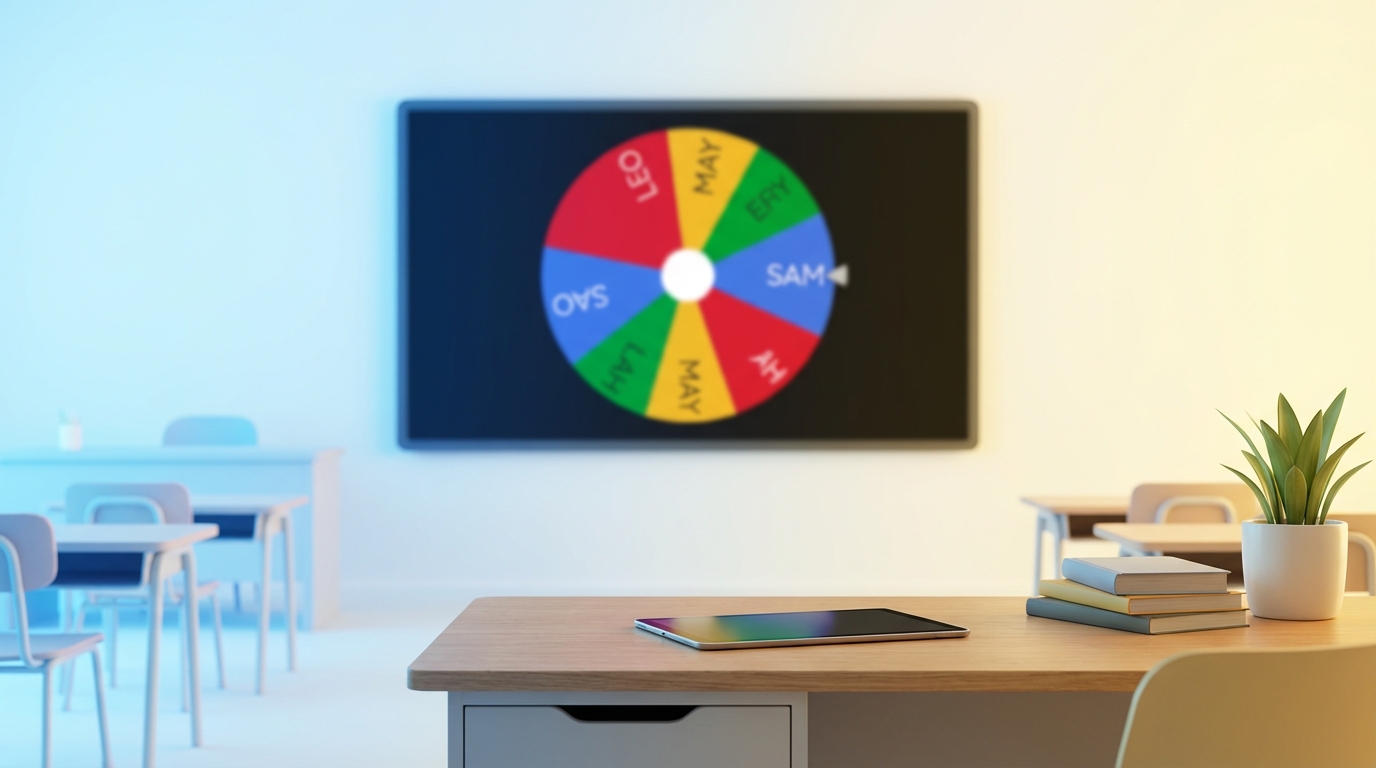
Watch what changes when the selection happens on screen instead. The names scroll in where everyone can read them. The spin runs in real time. Chat counts down with you. When the picker lands, the room reacts together, and that shared moment is worth more than the prize.
There's a practical edge too. A live spin is clippable. Someone records the moment their name comes up, posts it, tags you, and now your giveaway is doing promotion long after the stream ends. A line of bot text in chat clips into nothing. And the trust angle is the real payoff: a viewer can't seriously call a draw rigged when they just watched their own name lose in front of two thousand people. The evidence is the spin itself.
The deeper reason this works comes down to how people judge fairness. We don't trust outcomes. We trust process we can observe. A bank statement that shows the math beats a banker who promises the math is right. Same logic on stream. Show the process, and the outcome defends itself.
Pulling Entries From Chat and Comments
On Twitch, the cleanest method is a keyword. Tell chat to type a single word, give it a 30 to 60 second window, then let your bot collect everyone who said it. Nightbot, StreamElements, and Streamlabs Chatbot all do this with a built-in raffle command, and they hand you a deduplicated list of usernames. Channel point redemptions work too, and they have the nice side effect of filtering for viewers engaged enough to spend points.
On YouTube, entries come from comments on the live chat or the video itself. YouTube Studio lets you filter and export comments, and several creator tools will scrape commenters who used your entry phrase. The catch on both platforms is the same: clean the list before it touches the picker.
A quick checklist before you paste anything in:
- Strip out duplicate usernames so nobody gets two slots by spamming the keyword
- Drop obvious bot accounts and any names that violate your rules
- Confirm the entry window actually closed before you copied the list
- Keep the raw export saved somewhere in case you need to prove who entered
Setting Up the Wheel on Stream
- Open the giveaway wheel and switch to the giveaway variant
- Paste your full entry list with Bulk Add instead of typing names one at a time
- Recolor the segments to match your overlay so the wheel looks like part of your brand, not a random website
- Press F for fullscreen to clear the page chrome before you capture it
- Add the page as a Browser Source in OBS or Streamlabs and size it into your giveaway scene
- Do one practice spin off-camera to confirm the names and the capture both look right
Picking Several Unique Winners (No Repeats)
The fix is built in. Turn on remove-after-spin, sometimes labeled elimination mode, and each winner drops out of the pool the moment they're picked. Spin for first place, the wheel shrinks, spin for second, and so on. Every draw pulls from a smaller, repeat-free set, and the audience watches the names disappear, which doubles as proof you aren't quietly re-adding anyone.
If you're drawing a lot of winners from a big pool, a separate approach using assigned numbers can be cleaner: number every entrant in your spreadsheet, then draw numbers instead of names. It reads faster on stream and the verification is dead simple, since anyone can match the drawn number back to the list. For most giveaways though, removing names as you go is all you need, and it keeps the visual payoff of seeing each winner pulled live.
Provably Fair: The Tech Behind the Trust
That term has a precise meaning. A cryptographically secure RNG produces values that are unpredictable even to someone who knows every prior value it has output. It's the same class of randomness browsers rely on to generate encryption keys and secure session tokens. It is not the math behind Math.random(), which is a fast pseudo-random function that was never designed to resist prediction. The distinction matters because it's the difference between randomness that merely looks scrambled and randomness that is genuinely, verifiably unbiased.
What does that buy your giveaway? Every entrant gets an equal, untamperable shot. Nobody can nudge the result, not you, not the platform, not a clever viewer reverse-engineering the page. When someone types "this is rigged," you have a real answer instead of a defensive one: the draw runs on the same cryptographic randomness that secures bank logins, so rigging it isn't a matter of trust, it's mathematically off the table. Pair that fact with a screen recording of the spin and the conversation is over.
Shutting Down the Rigging Accusations
Start your recording before the names go in, not after the winner is announced. A clip that begins mid-spin proves nothing. A clip that shows the empty wheel, the names loading, the spin, and the result is an unbroken chain that nobody can poke a hole in. Read the entry list out loud or leave it visible on screen so viewers can confirm their own name is in there. Then spin once and live with it. Re-spinning "because the wheel glitched" is the single fastest way to torch your credibility, even when the glitch was real.
A few habits that quietly kill the rigging narrative:
- Capture the whole sequence from empty wheel to final result in one continuous recording
- Keep entrant names readable so anyone can verify the pool wasn't trimmed in your favor
- Commit to the first spin and announce that rule before you start
- Save the clip and the entry export, then post both if a dispute ever comes up
Formats That Keep Chat Awake
Multi-Round Brackets
Weighted Loyalty
Claim-Or-Reroll
Pair It With a Side Pick
Platform-Specific Notes
Twitch
Entries flow best through a chatbot raffle command or channel points, since both deduplicate for you. Time the draw for mid-stream when concurrents peak rather than the first ten minutes when half your audience hasn't arrived. Drop a VOD marker at the spin so you can find the clip later, and let the bot post the entry confirmation so chat trusts the count.
YouTube
Entries come from live chat or video comments, both of which you can filter and export from YouTube Studio. Membership perks make a natural weighted tier, and Super Chats during a live stream double as a paid entry lane if you want one. Because YouTube comments stick around, your entry window can be more generous than Twitch's fast keyword sprint.
Whatever the platform, the underlying flow is identical: collect, clean, paste, record, spin once. New to the picker itself? The walkthrough of the core features covers bulk add, saving configurations, and fullscreen capture in more depth than a giveaway guide has room for.
A Word on Rules and Legality
Most small stream giveaways fall under sweepstakes-style rules, and a few common-sense habits keep you out of trouble. Offer a free way to enter rather than requiring a purchase or a paid sub, because a contest that costs money to enter can cross into territory regulators treat very differently. Post clear rules before you start, including any age and region limits, since some platforms and jurisdictions restrict who can win and what you can give away. And keep an eye on tax thresholds: in the US, prizes above a certain value can trigger reporting requirements.
None of this should scare you off. Keep prizes reasonable, write down the rules, give a free entry path, and the vast majority of creator giveaways stay comfortably inside the lines.
Running Your First One End to End
You announce the prize early and tell chat the entry word. The window opens, names pour in, and you let your bot collect them while you keep streaming so the energy doesn't drop. When the window closes, you export the list, glance over it for duplicates and junk, and paste the clean version into the picker with Bulk Add. You start recording, show chat the loaded wheel so everyone can spot their name, then spin. The room holds its breath, the picker lands, and you read the winner. If there are multiple prizes, remove-after-spin handles the next draws without repeats. Winner gets 60 seconds to claim, you save the clip, and you thank everyone who entered.
The first time through feels like a lot. By the third, it's muscle memory, and you'll wonder how you ever ran a draw any other way.
Conclusion
Strip away the production tricks and a stream giveaway comes down to one question your audience is silently asking: can I believe what I just watched? Get that right and the prize almost becomes secondary. People will enter a draw they trust even when the odds are terrible, and they'll abandon one they don't even when the prize is huge. Everything in this guide points back to that single idea. Clean your entry list so the pool is honest. Spin where people can see it so the process is visible. Remove winners as you go so nobody wins twice. Lean on cryptographically secure randomness so the fairness is real, not just claimed. And record the whole thing so the proof exists before anyone asks for it. Do that, and the rigging accusations don't just get answered. They stop showing up. Your next spin is one clean list and one continuous recording away. What are you giving away first?
Ready to run a giveaway your chat actually trusts? wheel.expert is 100% free.
Launch Giveaway WheelFrequently Asked Questions
Can my viewers actually see the wheel while I spin it?
Yes, and that's the whole point. Add the picker as a Browser Source in OBS or Streamlabs, or use Window Capture, and the spin plays out live in your scene. Your audience watches the names load and the selection happen in real time, which is exactly what kills the rigging talk.
How do I pick several winners without the same person winning twice?
Turn on remove-after-spin, sometimes called elimination mode. Each winner drops out of the pool the instant they're picked, so the next spin draws from a smaller set with no repeats. Chat watches the names disappear, which doubles as proof you're not quietly re-adding anyone.
What's the best way to pull entries from Twitch chat?
Use a keyword raffle through Nightbot, StreamElements, or Streamlabs Chatbot. Tell chat to type one word, open a short window, and let the bot collect and deduplicate the usernames. Channel point redemptions work too and have the bonus of filtering for engaged viewers.
How do I collect entries from a YouTube live stream?
Entries come from live chat or video comments. YouTube Studio lets you filter and export comments, and you can pull everyone who used your entry phrase. Because YouTube comments stick around, your entry window can run longer than a fast Twitch keyword sprint.
Someone in chat keeps yelling that it's rigged. What do I actually say?
Point at the tech and the tape. The picker draws results from the Web Crypto API's cryptographically secure randomness, the same class of randomness browsers use to generate encryption keys, so the outcome is genuinely unpredictable and untamperable. Pair that with a recording that shows the empty wheel, the names loading, and the spin in one unbroken clip, and there's nothing left to accuse.
Is it really fair, or does it just look random?
It's genuinely fair, not cosmetic. The selection uses crypto.getRandomValues, a cryptographically secure random number generator, rather than the ordinary pseudo-random functions that were never built to resist prediction. Every entrant gets an equal shot that nobody, including you, can nudge.
How many entries can I load at once?
You can add up to 200 entries per wheel using Bulk Add. For a giveaway bigger than that, number your entrants in a spreadsheet and draw numbers instead of names, or split the pool into multiple rounds.
Can I reuse the same setup for a weekly giveaway?
Yes. Save your wheel configuration locally and load it again next week, so your branding and segment colors carry over. You only swap in the fresh entry list each time instead of rebuilding the whole thing.