What Should I Eat? The Ultimate Food Decision Wheel Guide
End the 'I don't know, what do you want?' cycle forever with random food selection

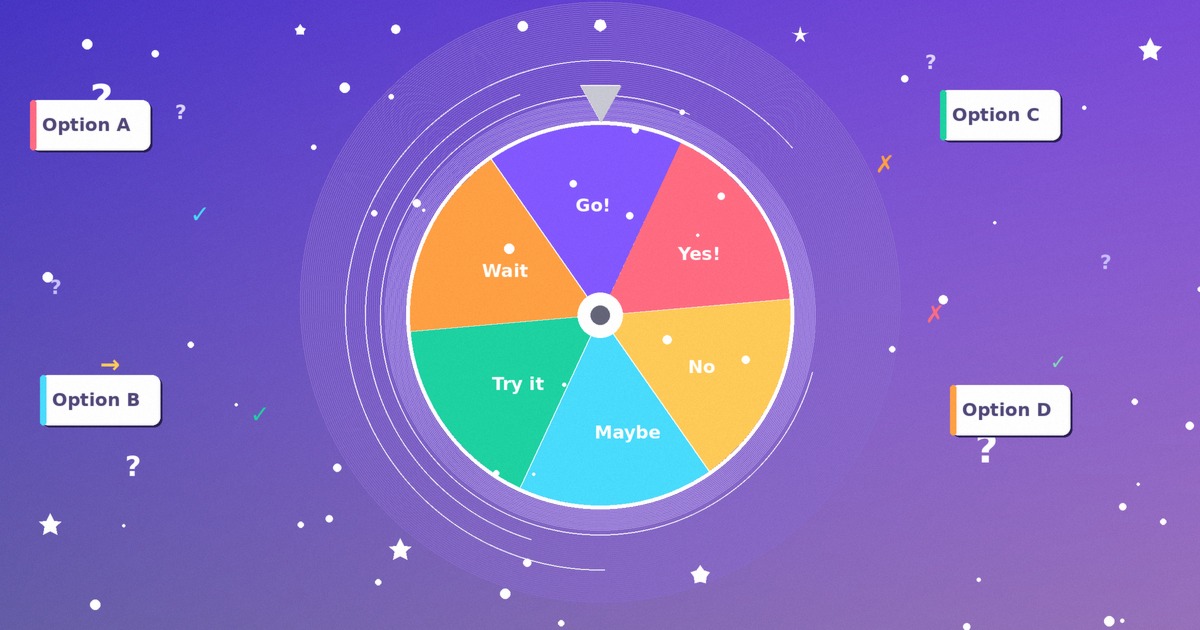
It's 6:40 on a Tuesday. The fridge is open. Someone says "I don't care, you pick." Someone else says "no, you pick." Twenty minutes later you're eating the same pasta you ate last Thursday, faintly annoyed at each other for reasons neither of you can name. That little ritual plays out in millions of kitchens every single night. And the reason it's so sticky isn't that you lack options. It's the opposite. Delivery apps now show hundreds of restaurants in a thirty-second scroll, and your brain, already worn down from a day of small choices, simply refuses to add one more. So you default. You repeat. You settle. A <a href="/food-wheel/">food wheel</a> attacks the problem from a strange angle: it takes the choice away from you on purpose. Instead of weighing tacos against ramen against "ugh, whatever," you load a handful of real options and let the spin decide. The decision evaporates. What's left is a meal and, weirdly, a bit of relief. This guide walks through why the dinner debate is so exhausting, how to build a wheel that actually fits your week, and the small rituals couples, roommates, and families use to make the thing stick past the novelty phase.
Why Picking Dinner Feels Harder Than It Should
Decision fatigue is a documented thing
Psychologists use the term "decision fatigue" to describe how the quality and ease of our choices degrades over a day of making them. You've fielded hundreds of small calls since waking up: what to wear, which email to answer, whether to merge into that lane. By evening, the well is low. Dinner lands on a depleted brain, and the brain pushes back.
More options, more paralysis
There's a well-known idea in behavioral research often called the paradox of choice: past a certain point, adding options makes deciding harder, not easier. A menu of three is a delight. A delivery app with four hundred listings is a swamp. Capping your wheel at eight or twelve choices isn't a limitation. It's the entire trick.
Nobody wants to own the wrong call
Part of the freeze is fear of regret. Pick Thai, secretly crave Italian, and now the bad night is your fault. A wheel quietly dissolves that. You didn't choose. The spin did. And it's hard to resent a wheel.
"You decide" is rarely about deciding
In couples and roommate setups, the food question often turns into a low-stakes negotiation about who gives in tonight. "You pick" can mean "I want you to read my mind and pick the thing I want." A wheel is neutral ground. No one wins, so no one loses.
Comfort food keeps winning
Left alone, we drift toward the familiar because familiarity reads as safe. That's how you end up rotating the same five meals for a year without noticing. A spin pushes you sideways into dishes you'd never have typed into a search bar.
Building a Wheel That Fits Your Actual Week
- Open the food wheel and clear out the demo entries so you start clean
- List the meals and spots you'd genuinely be happy with on a normal night, not the ones that just sound impressive
- Mix cuisines so a single spin can land you anywhere from a quick taco run to a slow pot of curry
- Throw in 'Cook what's already in the fridge' and 'Leftovers' so the wheel respects your budget
- Keep the count between eight and twelve, which is wide enough to surprise you and tight enough to stay snappy
- Add one slightly adventurous entry you've been meaning to try but keep skipping
- Save it on the device you'll actually reach for at dinnertime, usually your phone
Spin Strategies People Actually Stick With
Spin the cuisine, then the dish
The restaurant-only wheel
Tilt it toward the wallet
One veto each, and make it count
Plan the whole week in one sitting
Wheels, Kids, and the Picky-Eater Standoff
Kids will eat what they 'chose'
Let a child press spin and the meal becomes theirs, even though the result was random. Ownership does a lot of quiet work here. The broccoli they'd have refused on a plate becomes the broccoli the wheel picked, and suddenly it's tolerable.
Rotate who holds the spin
Give each family member a night. Monday belongs to one parent, Tuesday to the other, Wednesday to the oldest kid, and so on around the week. Everyone owns a slice of the menu, and "that's not fair" loses most of its ammunition.
Grow a picky palate one entry at a time
Add a single new food to the wheel each month. When it lands, the whole table tries it together, no lectures and no bribes. Some land flat. A few become regulars. Either way the rut loosens.
It settles sibling fights too
When two kids square off over taco night versus pizza night, the wheel is the referee nobody can accuse of playing favorites. For the standalone version of that argument, a plain yes or no wheel handles the simpler "are we ordering out tonight?" question.
Allergies, Diets, and Real-World Constraints
Run a few wheels, not one
Keep separate saved wheels for different moods and needs. A fast weeknight wheel. A nicer date-night wheel. A diet-friendly wheel with only compliant options. A treat wheel for the days you've earned it. Load whichever fits the evening.
Pull options that don't work tonight
If the vegetarian in the house is home and the carnivore isn't, drop the steakhouse for the night. Editing the wheel for the moment takes ten seconds and keeps the result honest.
Weight it toward your goals
On a cut? Give the lighter meals a heavier slice so the odds favor them. You still leave room for the occasional indulgence, but the math nudges you the right way most nights.
Safety is never a variety problem
If someone at the table has a serious allergy, the wheel holds only safe options. Full stop. There's no version of "more interesting" worth an EpiPen, and the wheel should reflect that without exception.
It Doesn't Stop at Dinner
The office lunch loop
Load the spots within walking distance of work, spin at 11:30, and walk there. The daily "where should we go?" huddle that eats fifteen minutes of everyone's hour just disappears.
Weekend brunch
Pancakes, eggs, a smoothie, the place with the good coffee? Saturday-morning indecision is its own special paralysis, and a quick spin cuts straight through it before anyone gets hangry.
Intentional snacking
A lot of mindless grazing comes from not actually knowing what you want, so you eat three things and feel satisfied by none. A small snack wheel mixing the wholesome and the fun makes the choice on purpose.
Recipe roulette
Everyone has a graveyard of bookmarked recipes they swear they'll cook someday. Drop twenty of them onto a wheel and spin once a week. That's how 'someday' finally becomes Thursday.
Making the Habit Survive Past Week One
Decide before you're starving
Set a reminder for late afternoon: spin the dinner wheel now. Deciding at 4 o'clock on a calm stomach is a completely different experience from deciding at 7 with a low blood sugar and a short fuse.
Hold the no-respin line
The first spin stands, vetoes aside. The moment you allow casual re-spins, you've reopened the door to the exact decision fatigue you were escaping, and the wheel becomes one more thing to negotiate with.
Make the result a small event
Lean into it. "The wheel has spoken" said with mock ceremony turns a chore into a tiny ritual, and rituals are what actually stick. The sillier you let it be, the more your household plays along.
Keep a quick log
Jot down what the wheel served up each night. After a month the list tells a story: you ate more variety in thirty days than you managed in the previous six months of choosing for yourself.
Under the hood, the spin isn't faking randomness either. wheel.expert draws its results from the browser's Web Crypto API, the same cryptographically secure random number generator used for security-sensitive work, so the cheap pizza option really does have the same shot as the fancy one. Want the deeper version of how that fairness works across every wheel? The guide to using a yes-or-no wheel for decisions digs into the trust side of letting a spin choose for you.
Conclusion
Go back to that 6:40 kitchen for a second. Fridge open, two people each insisting the other should pick, the night slowly souring over a question that doesn't deserve the energy. Now imagine the same moment with a phone on the counter and a five-second spin. Tacos. Done. Nobody negotiated, nobody read minds, nobody's quietly keeping score. You're already grabbing the tortillas. That's the whole trade the wheel offers. You hand over a choice your tired brain didn't want anyway, and you get back time, less friction, and a menu that drifts toward variety instead of the same five plates on repeat. Couples report fewer mealtime standoffs. Families stumble into new favorites. Solo cooks finally break the rut. So the next time the question lands, maybe don't answer it at all. Just spin and see where dinner takes you tonight?
Ready to end dinner debates forever? wheel.expert's Food Wheel is 100% free!
Spin the Food WheelFrequently Asked Questions
How many food options should I add to my wheel?
Eight to twelve hits the sweet spot. Fewer than that and the same results come up so often it feels stale. More than that and you've quietly rebuilt the paradox-of-choice swamp you were trying to drain. Start around ten and adjust once you see what actually gets eaten.
What if the wheel lands on something we really don't want?
Give each person one veto a week. If the result is genuinely a no tonight, burn the veto and spin again. Because they're scarce, vetoes stay honest instead of turning into an excuse to re-spin until you land on what you already wanted.
Can I use weighted probability for healthier eating?
Yes, and it works well. Give the lighter meals a heavier slice and shrink the indulgent ones to a sliver. The odds then lean toward your goals while still leaving room for the occasional treat, which is exactly what keeps the system livable over time.
How do I get a partner who's skeptical to try it?
Don't pitch daily use. Propose one 'adventure night' a week and let them watch the dinner argument simply not happen. Most skeptics come around once they feel the relief of not having to decide, at which point you can quietly expand it.
Should I include restaurants I've never tried?
Add one or two as discovery slots. Half the value of a wheel is the gentle shove it gives you toward the place you keep meaning to try and keep driving past. When it lands, you finally have your excuse.
Can I create different wheels for different occasions?
Definitely. Keep a fast weeknight wheel, a date-night wheel, a family wheel, and a budget wheel, then load whichever fits the evening. Each one stays short and relevant, which is far better than one giant wheel trying to cover every mood at once.
Is the spin actually random, or does it favor certain options?
It's genuinely random. wheel.expert pulls results from the browser's Web Crypto API, a cryptographically secure source of randomness, so every slice gets a fair shot regardless of where it sits on the wheel. The cheap option and the splurge have the same odds unless you deliberately weight them.
What's the point if I could just decide myself?
You could. But you've spent all day deciding things, and the wheel exists precisely for the moments when that muscle is spent. It's not about being incapable of choosing dinner. It's about not wanting to, and being fine handing that one small call to a spin.